
Uninstall Microsoft 365 (Office Applications) – XML File

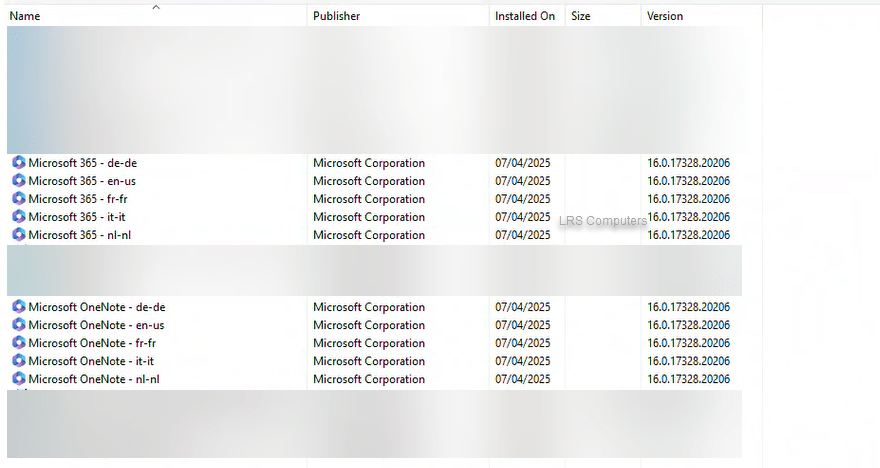
A while back, I created a post on how to use Get Help to uninstall the pre-installed Microsoft 365 applications from your new device. As previously mentioned – When purchasing a new Windows computer from a manufacturer, mainly Dell – we have noticed that they like to install different language versions of Microsoft 365, and Microsoft OneNote.
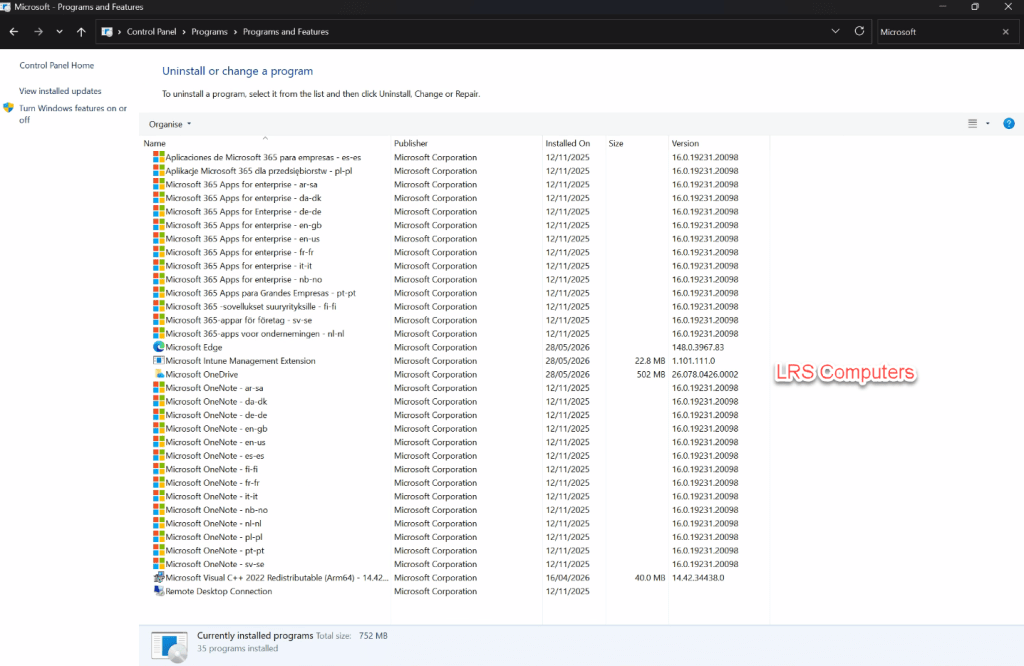
As I mainly deal with computers for businesses and clients who have their Microsoft 365 subscription, we much prefer to uninstall the above and install a fresh copy of Microsoft 365 (Office) directly from their account / subscription.

We can uninstall directly from Control Panel, but each one can take 2-3 minutes, and requires manual intervention each time.

Recently, the Get Help method has been very hit-and-miss. This is a different method using the Deployment Tool and an XML File to quickly uninstall it.

Read More »
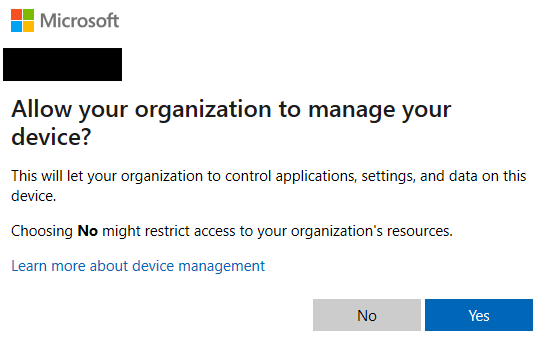
Allow your organisation to manage your device?

When signing into one of the Microsoft 365 Desktop Apps (Outlook, Word, etc) – you’ll go through a couple of setup Windows, inserting your email address, password, and being asked whether you want to sign into all apps and finally – Allow your organisation to manage your device?

With the question above, if you use Microsoft Intune – it will allow for a simple enrolment process. But if you don’t, then clicking Yes will often result in a strange error message, which creates confusion to the end user.

In this post, I will show you how to prevent the above from being asked.

Read More »

Uninstall Microsoft 365 (Office Applications) – Get Help

When purchasing a new Windows computer from a manufacturer, mainly Dell – we have noticed that they like to install different language versions of Microsoft 365, and Microsoft OneNote.

The above can be totally fine, but as premade computers from a manufacturer – they are often packed with bloatware and unnecessary applications.

As I mainly deal with computers for businesses and clients who have their Microsoft 365 subscription, we much prefer to uninstall the above and install a fresh copy of Microsoft 365 (Office) directly from their account / subscription.

We can uninstall directly from Control Panel, but each one can take 2-3 minutes.

In this post, I will show you how I uninstall all the above with a few clicks.

Read More »

M365 – Review Enterprise Applications

By default, your staff can allow consent for any app to access the organisation’s data. In reality you may find nothing wrong with this for Microsoft Services such as Teams, Outlook, but how about third-party apps?

Should you be allowing third-party apps within your M365 tenant?

Third-party apps can stem from trusted sources such as Adobe, Salesforce, but quite often, we come across third-party apps that require an unnecessary amount of permissions and access.

There is currently a whole plethora of ‘AI’ apps, that staff are sign into using their M365 account, giving them access, such as being able to Read their mailbox or Send As them.

In the realm of IT, you will hear the phrase – Least Privilege. This means granting users, applications, and systems the minimum necessary access rights to perform their tasks, and no more.

In our case, we want to give the user the minimum apps that allow them to perform their job. We may have a pre-approved list of applications that they can access. But we also want to prevent them from signing into unapproved applications.

I will show you how to set up Consent and Permissions for Enterprise Applications.

Read More »

M365 – Limit Access on Unmanaged Devices

In a dream world of IT, every device is managed, protected, encrypted and follows a Configuration Profile. However, we often come across clients, normally on the smaller side, who want their end users to be able to work on their own personal device. You can quite easily stipulate a BYOD Policy, but very often, they are simple and state, the device must have anti-virus, the device must have encryption and they must be up to date – they sign the Policy and no checks on the device itself have been carried out.

Below I’m going to go through the steps, that is put in place to limit access to the Web Apps only and prevent them from downloading files on their device and prevent them from signing into the Desktop Apps too.

Please note, to action these, you need Conditional Access, which is ‘locked’ behind a Microsoft Subscription. Having a Subscription such as Business Premium allows for Conditional Access.


Read More »